Zero to 1000 Shoes: Building Uganda's Largest Online Shoe Store in 5 months
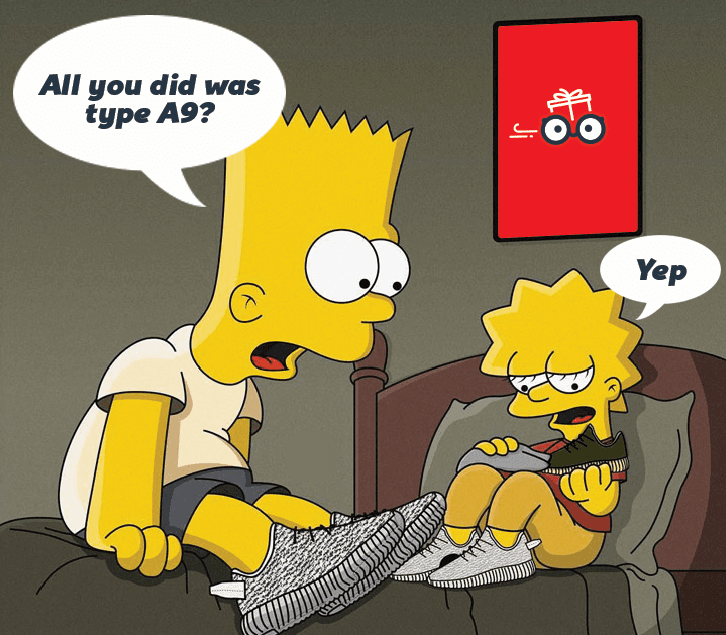
Our journey began in Kampala, Uganda, where I had grown up and lived. We had a bold vision: to tap into Sub-Saharan Africa's $100B e-commerce opportunity. What we didn't expect was that our journey would lead us to become Uganda's largest online shoe retailer in just five months. Here's how we did it, what we learned, and why we eventually chose to walk away from our success.

Starting with Questions, Not Answers
Kampala is a city of contrasts. With 4-5 million people and 70% mobile phone penetration, you might think e-commerce would be booming. Yet, despite players like Jumia and Jiji being present, the digital marketplace remained largely untapped.
As the lead designer on our small but mighty team of five, I started where any good UX professional would—with research. We had two hypotheses:
Small businesses weren't online and didn't care to be
People wanted to buy online but either couldn't find what they needed or didn't trust existing solutions
Boy, were we wrong about that first one.
The Reality Check
After 90+ interviews with small businesses, 10 hours of ethnographic studies in Kampala's bustling business district, and hundreds of consumer surveys, we uncovered something unexpected: businesses desperately wanted to be online—they just didn't know how.
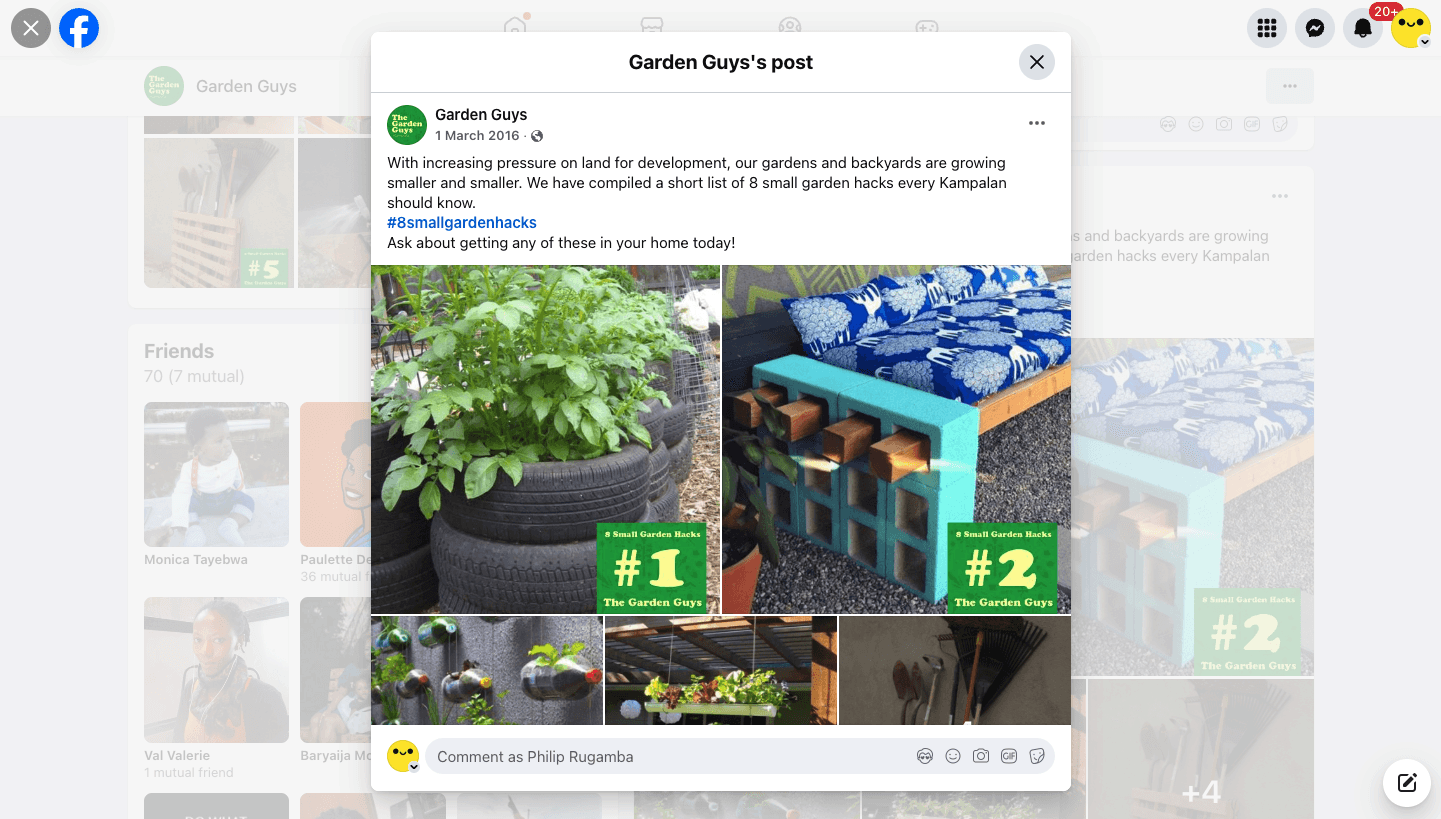
Our first attempt to solve this was almost comically simple. We created a fake Facebook brand called "Garden Guys" offering free yard improvement advice. Meanwhile, we infiltrated WhatsApp groups full of construction professionals. The goal? See if we could manually match service providers with customers.
The Accidental Innovation
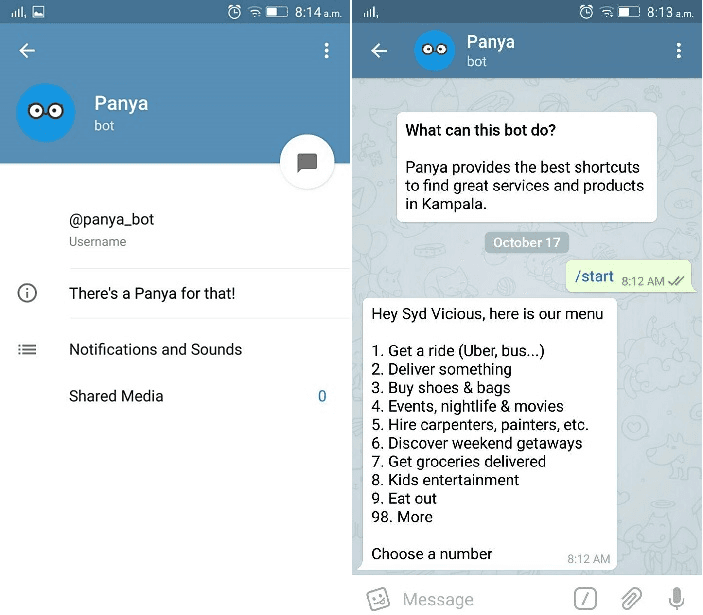
Sometimes the best ideas come from the most unexpected places. For us, it was a cricket-score bot in a WhatsApp group. This tiny bot sparked what would become our breakthrough moment: what if we could bring services to where people already were—their favorite chat apps?
We tested this idea with "Panya," a simple breakfast-ordering chatbot for our co-working space. The response? Over 200 orders in one night—far more than we could handle! We had stumbled onto something big.
The Pivot That Changed Everything
While tracking our services' popularity, we noticed something interesting: shopping deals, especially for women's handbags and shoes, were outperforming everything else. This data point led us to our next iteration—becoming Uganda's largest online shoe merchant.
The shoe market in Kampala was fascinating. Most merchants had unused Facebook pages, operated from dimly lit basements with spotty internet, and saw so much foot traffic they didn't think they needed online channels.
We saw an opportunity and grabbed it. We:
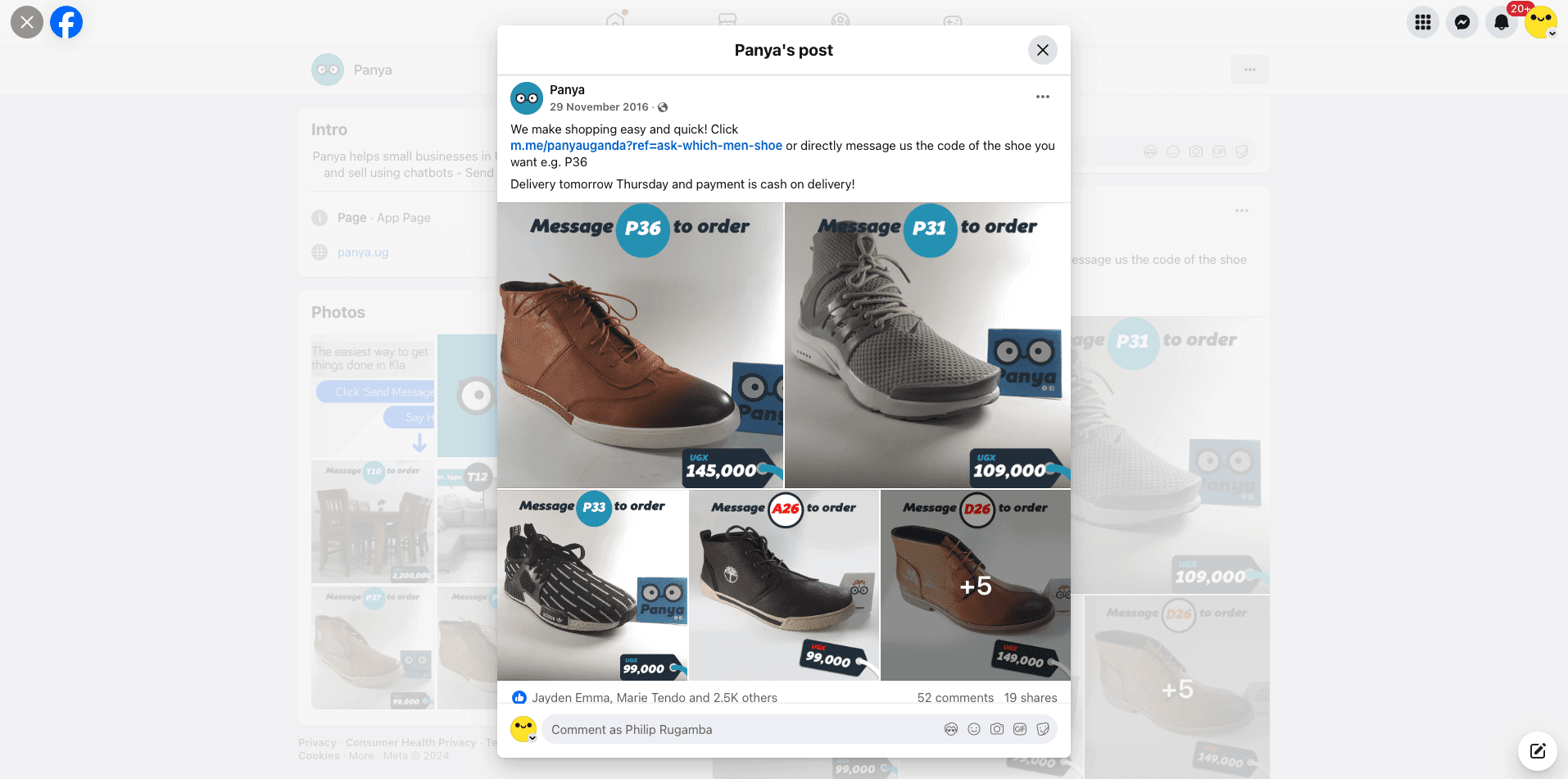
Built a separate online brand on Facebook
Set up a professional product photography studio
Created a unique coding system for easy ordering
Developed a seamless process from sourcing to delivery
The Results Were Staggering
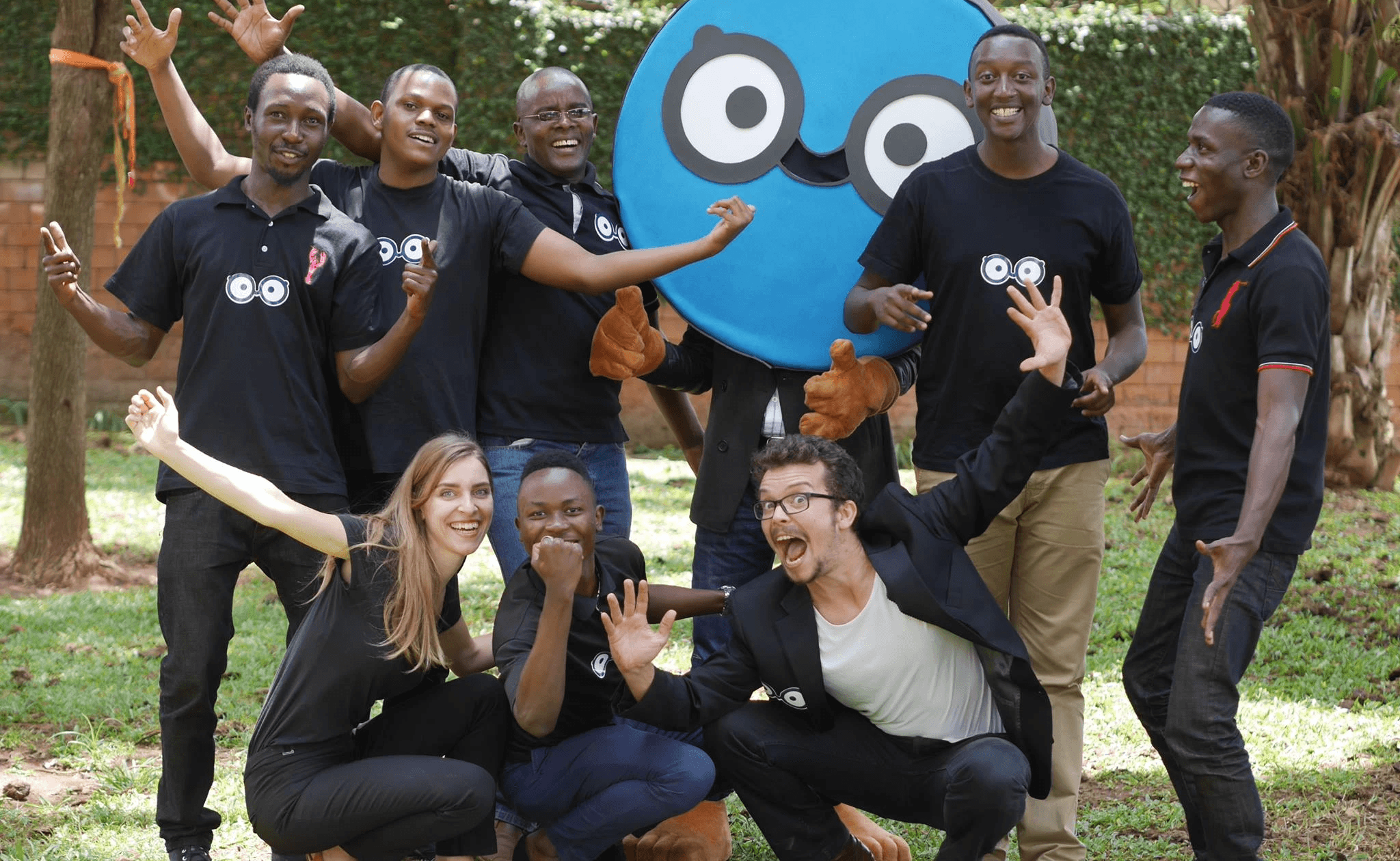
Within three months, we were selling over 1000 pairs of shoes monthly, with a 24% month-over-month growth and a 60% gross margin. By October, we had become Uganda's largest online shoe seller.
The Plot Twist
Here's where the story takes an interesting turn. Just as we were hitting our stride, we faced what you might call an identity crisis. We were successful as Uganda's largest online shoe retailer, but we saw a much bigger opportunity ahead of us. We could continue scaling our shoe business, adding more partners and expanding our logistics operation—essentially becoming the "Amazon of Uganda." Or we could empower thousands of other businesses to do what we had already proven worked.
It was like choosing between being Amazon or becoming Shopify. We chose the latter.
Why? Because we had built something powerful: a proven system for taking offline businesses online, generating leads, and managing orders through familiar channels like chat apps. We'd tested it, refined it, and demonstrated its success with our own shoe business. Now, instead of being limited to selling shoes, we could help any business achieve the same digital transformation.
This led to our pivot to Sellio, a B2B chatbot platform for lead generation and ordering. By white-labeling our technology and making it available to any paying business, we could create a more scalable, less logistics-heavy operation with higher profit potential. It wasn't just about growth—it was about maximizing our impact on Uganda's digital commerce landscape.
And Then…
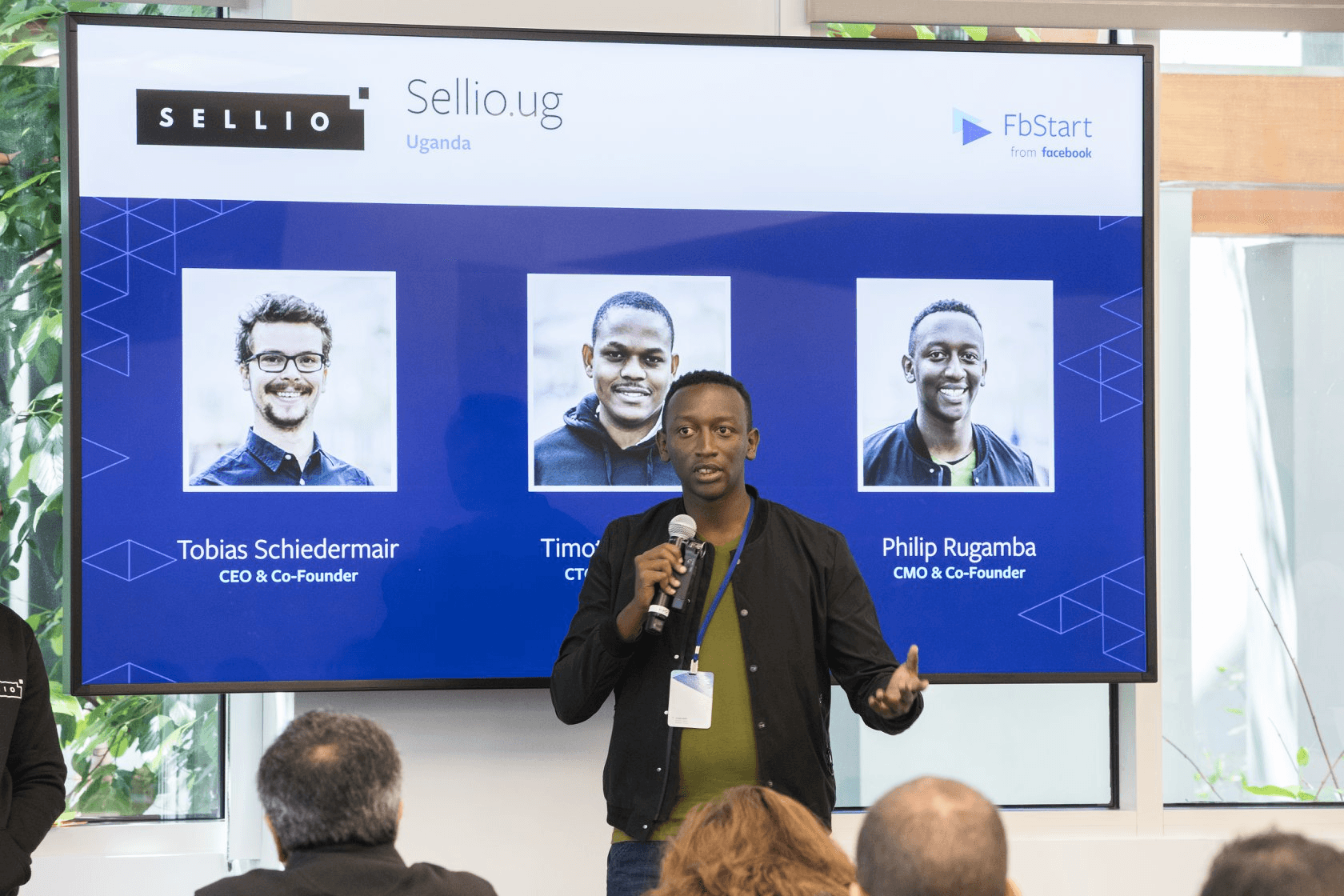
The bet showed early promise. Sellio went on to become the first Ugandan business to participate in TechCrunch Startup Battlefield, was selected as one of just 14 companies globally for Facebook's invite-only FBStart Growth 2 Scale accelerator in Silicon Valley (and $50k), and onboarded over 5,000 businesses across five countries in the next two years. Though the venture ultimately didn't work out—that's a story for another day.
Lessons Learned
Looking back, here's what I learned from this wild ride:
Local Context is Everything: What works in Silicon Valley might not work in Kampala. Understanding your users' reality is crucial.
Follow the Data, Not Your Assumptions: Our biggest breakthroughs came from listening to what the data was telling us, even when it contradicted our initial hypotheses.
Sometimes Success Isn't Enough: Having a successful business doesn't mean it's the right business. Stay true to your mission, even if it means walking away from something that's working.
The Human Side
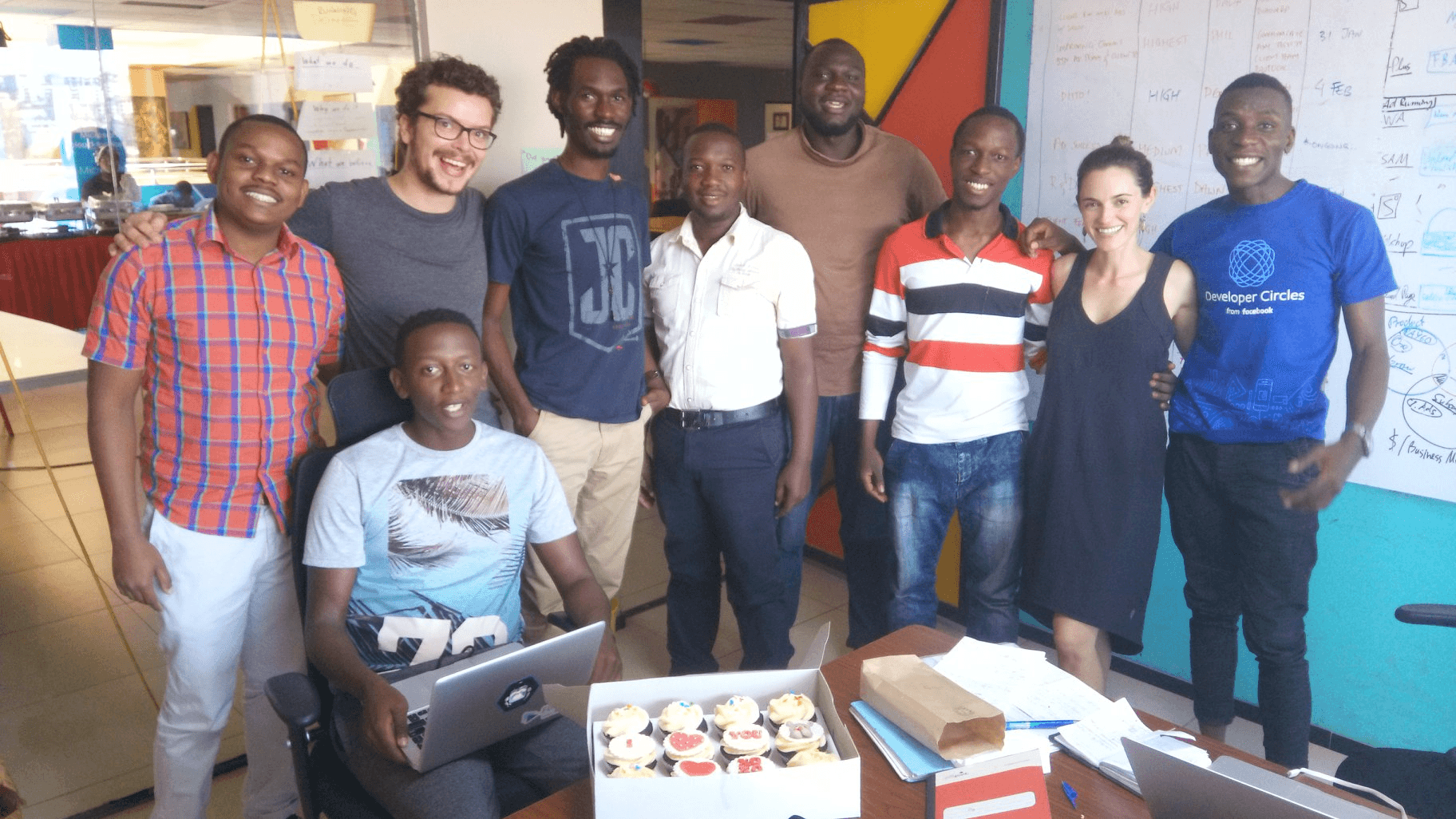
None of this would have been possible without our incredible team. At the core were our co-founders—Tobias, Timothy, and Magali—but our success was built on the dedication and talent of so many others: Jerome, Dennis, Emily, Ronald, Billions, Shadrack, Andrew, Phillip, Mercy, Erin, Dawn, Dorothy, and Nobert. Together, we blurred the lines between roles, challenged assumptions, and built something truly special.
I learned that great UX design isn't just about interfaces; it's about understanding people, their needs, and their context.
As I sit here writing this, I can't help but feel grateful for the experience. We didn't just build a successful e-commerce business; we learned invaluable lessons about innovation, user-centric design, and the power of staying true to your mission.
What started as a journey to tap into Africa's e-commerce potential became a lesson in humility, adaptability, and the importance of putting users first. And while we may have walked away from the shoe business, the lessons we learned continue to shape how I approach design and business problems today.
Have you ever had to walk away from success to pursue a bigger mission? I'd love to hear your stories - you can reach me on my email below